
"new picking"
7000 article(s) found

The New York Coffee Festival doesn't just have coffee.
For the exchange of professional baristas, please follow the coffee workshop (Wechat official account cafe_style). In New York, where coffee culture is very popular, it is said that there are more than 2000 coffee shops in the city. Coffee is the spice of New York culture, and even for a long time, you can pick people up with coffee in New York. At the first New York Coffee Festival, which ended not long ago, Alec drank 2.

Coffee Culture Coffee Zero distance
Coffee comes from Ethiopian curry. In Colombia, it was brought by a priest from the French Antilles via Venezuela in 1808. At present, Colombia is the fourth largest coffee producer in the world, behind Brazil, Vietnam and Indonesia. Finally, I have an opportunity to witness the formation of coffee. This is a visit to QUINDIO, Colombia.
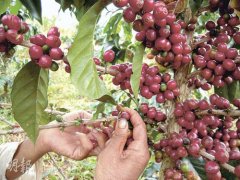
Record of the process of picking coffee beans in Laos
When picking Arabica beans, use your hands to twist them one grain by one. Pick only ripe fruits in bright red, not green (immature) or dark brown (rotten). Generally speaking, coffee trees will bear beans after two or three years of growth and can be picked in four years. Bolaven Cafe comes with clear Americano for breakfast. When picking Arabica beans, use hands to twist them one grain at a time. Choose bright red only
Technology and Environmental factors of growing Coffee in Coffee Garden
Coffee comes from Ethiopian curry. In Colombia, it was brought by a priest from the French Antilles via Venezuela in 1808. At present, Colombia is the fourth largest coffee producer in the world, behind Brazil, Vietnam and Indonesia. There are four types of coffee trees in the world, namely, ARABICA, ROBUSTA and LIBERICA.

Introduction to the Grinding scale of Flavor description for Flavor description of Coffee beans in Kenya
Introduction of grinding scale for flavor description of Kenyan coffee beans produced by manor areas, like the choice of other coffee producing countries, although SL-28 and SL-34 have stood the test of time and cultivated generation after generation of faithful pumps for Kenyan coffee, for the sake of coffee yield and disease resistance, the Kenyan government and the Coffee Research Institute (Coffee Research Foundation) began

AA car Rental and Starbucks: the time for a cup of coffee is reserved for the driver to pick up at the store.
Urban people's pursuit of quality travel is getting higher and higher, especially for business travelers, who are tired on the journey and do not want to squeeze the subway, but there is no special car to pick up in a strange city, but they have to wait in a long queue for more than 40 minutes in order to reach their destination. this fact makes people helpless but unavoidable.

Coffee grows where coffee comes from Ethiopia.
Finally, I have an opportunity to witness the formation of coffee. The coffee comes from Ethiopian coffee after visiting MONTENEGRO National Coffee Park in QUINDIO Province, Colombia, and a garden coffee farm in MANIZALES, CALDAS Province. In Colombia, it was taken from the French Antilles by a priest in 1808.

Kenyan coffee beans estate characteristics Graded production area Flavor description Processing method Taste introduction
Bourbon Bourbon was first brought to Kenya for cultivation. In the 1950s, Scott Laboratory, an agricultural research institution at that time, made unremitting efforts to select SL-28 and SL-34, two excellent hybrids, which overturned the long-term artificial breeding varieties without natural varieties.

Introduction to the treatment method of taste characteristics of manor flavor description in Kenyan coffee producing area
Kenya Coffee production area Manor Flavor description Taste Variety characteristics treatment method: Kenya is planted by Bourbon bourbon. In the 1950s, the then agricultural research institution Scott Laboratory made unremitting efforts to select two excellent hybrids, SL-28 and SL-34, subverting the long-standing prejudice of artificial breeding without excellent natural varieties. S

Basic knowledge of Fine Coffee basic knowledge of coffee tree planting
Coffee comes from Ethiopian curry. In Colombia, it was brought by a priest from the French Antilles via Venezuela in 1808. At present, Colombia is the fourth largest coffee producer in the world, behind Brazil, Vietnam and Indonesia. There are four types of coffee trees in the world, namely, ARABICA, ROBUSTA and LIBERICA.

Ethiopian coffee Yejia snow coffee beans boutique coffee raw beans
Ethiopia is one of the major producers of Arabica coffee in Africa, producing the best Arabian coffee in the world. It is said that coffee was first discovered by shepherds in Essekafa, and the name of coffee evolved from Kafa, so Essex is still the hometown of coffee. Ethiopia's geographical environment is very suitable for coffee growth. Coffee is mainly grown at 1100 meters to 2300 meters above sea level.

Witness the formation of coffee. Coffee basis.
Finally, I have an opportunity to witness the formation of coffee. This is after visiting MONTENEGRO National Coffee Park in QUINDIO province of Colombia and a garden coffee farm in MANIZALES city of Caldas province (CALDAS). Coffee comes from Ethiopian curry. In Colombia, it was appointed by a priest from the French Antilles in 1808.

There are four types of coffee trees. Coffee comes from Ethiopia.
Coffee comes from Ethiopian curry. In Colombia, it was brought by a priest from the French Antilles via Venezuela in 1808. At present, Colombia is the fourth largest coffee producer in the world, behind Brazil, Vietnam and Indonesia. Finally, I have an opportunity to witness the formation of coffee. This is a visit to QUINDIO, Colombia.

How long is the coffee bean? what are the characteristics of the new bean?
Professional coffee knowledge exchange more coffee bean information Please pay attention to the roasting date of coffee beans in the coffee workshop (Wechat official account cafe_style). The roasting date can be used to determine whether the coffee is in a delicious state or whether it has been stored for too long or improperly stored resulting in health hazards. But do you know the state of these coffee beans before they are roasted? Coffee is in the fruit

There are several coffee farms in Ethiopia's coffee-producing countries
Grade of Ethiopian coffee: Ethiopian washed coffee Yega Chuefei G1 G2 Sidamo (Yirgacheffe, Sidamo) has the highest grades 2 and 3 (G2, G3), while sun-processed coffee in eastern Ethiopia is mostly grade 4 or 5 (G4, G5). In many cases, level 4 coffee is marked as level 5 in order to reduce taxes. At present, the classification is not uniform and there are

Flavor characteristics and treatment of Coffee in Ethiopia
Ethiopia is one of the major producers of Arabica coffee in Africa, producing the best Arabian coffee in the world. It is said that coffee was first discovered by shepherds in Essekafa, and the name of coffee evolved from Kafa, so Essex is still the hometown of coffee. The natural characteristics of coffee beans include large coffee beans.

Introduction to the characteristics of Ethiopian Coffee Flavor Manor with acidity and texture
5% of the coffee belongs to plantation coffee. This is a modern way of growing. Coffee is also grown in a forest, but new varieties are used and planted in rows with other shade trees. Due to different processing methods, coffee can be divided into washed coffee (Washed coffee) and sun-cured coffee (Sun-dried coffee). Washed coffee accounts for 35% of exports. Of good quality

Coffee production and processing Coffee planting methods how to make coffee beans
Boutique coffee (specialty coffee) is also called specialty coffee selection coffee. It refers to coffee made from a small number of raw beans with excellent taste grown in an ideal geographical environment. Depending on the special soil and climatic conditions in which they grow, they have outstanding flavor. After strict selection and classification, this kind of coffee is hard in texture, rich in taste and stylish.
Boutique Coffee on the growth process and Environment of Coffee
Finally, I have an opportunity to witness the formation of coffee. The coffee comes from Ethiopian coffee after visiting MONTENEGRO National Coffee Park in QUINDIO Province, Colombia, and a garden coffee farm in MANIZALES, CALDAS Province. In Colombia, it was taken from the French Antilles by a priest in 1808.
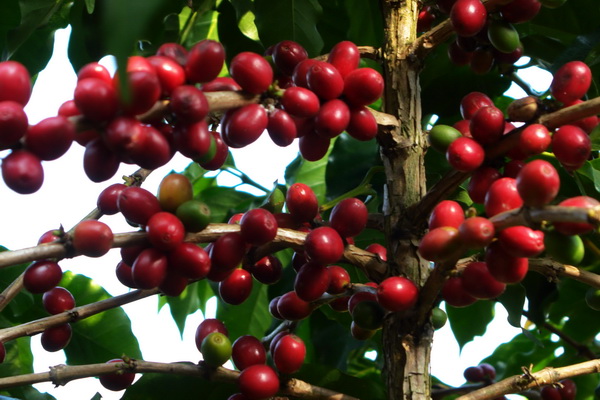
El Salvador Ataisi Manor Pacamara boutique new beans, coffee, raw beans
Coffee in El Salvador is grown mostly by small farmers, who grow it in the traditional way: almost 100% shade. The coffee harvest lasts from November to March. The fresh fruit of coffee is picked by hand. On the whole, Salvadoran coffee inherits the mild quality of Sino-American coffee, which is soft, slightly sour and beautiful.